
AI Blog Writing Publishing Platform: Build & Scale Fast
 Blogie
Why “Write” Is the Easy Part Now—and Publishing Is the Bottleneck
AI has made “getting words on a page” surprisingly easy. The weird part? Most teams I talk to still feel behind on content. Not behind on ideas, not even behind on drafts—behind on published, indexed, distributed posts. That gap is exactly why the phrase ai blog writing publishing platform matters. You’re not shopping for a clever text generator anymore; you’re trying to remove the friction between an idea and a live URL.
What creators expect from AI vs what platforms actually deliver
Creators expect a magic button: “Write me a great post and publish it.” What many tools actually deliver is a decent draft in a separate window, plus a dozen tiny tasks you still have to do manually. If you’ve ever copied content into a CMS, fixed spacing, hunted for images, then rewritten the opening because it sounded robotic—you’ve felt that mismatch firsthand.
I’ve seen smart marketers use AI daily and still miss their publishing cadence because their process is stitched together with tabs. That’s why an ai blog writing publishing platform needs to handle more than writing; it has to support the boring but critical steps that turn a draft into an asset.
Where time disappears: briefs, approvals, CMS formatting, assets
Time usually leaks out in the same places: keyword selection, outlining, internal reviews, and the dreaded “make it look right in WordPress/Webflow/Notion.” Add image sourcing, alt text, meta descriptions, and slug cleanup, and suddenly your “AI wrote it in 5 minutes” post still took 3 hours to ship.
Even founders who blog solo hit this wall. Andrew Chen’s breakdown of How I use AI when blogging is a good example of how AI helps, but also how much of blogging success is about workflow, judgment, and publishing consistency—not just typing speed.
The new baseline: draft-to-publish in one place
The new baseline is simple: you should be able to research, draft, edit, format, optimize, and publish from one workspace—without duct-taping five subscriptions together. A real ai blog writing publishing platform doesn’t just generate paragraphs; it orchestrates the full chain from topic to traffic.
That’s the promise tools like blogie.ai are chasing: fewer tabs, fewer handoffs, and less “content debt” piling up in Google Docs. When your workflow is streamlined, shipping becomes the default—and consistency is what usually wins SEO over time.
What an AI Blog Writing Publishing Platform Actually Is (and Isn’t)
People use “AI blogging tool” to describe everything from a grammar checker to a full CMS. But if you’re serious about publishing regularly, it helps to define the category clearly. An ai blog writing publishing platform is designed to move content from a rough idea all the way to a published post—with SEO, formatting, distribution, and measurement included.
Writer tool vs end-to-end platform: the non-obvious difference
A writer tool gives you text: intros, paragraphs, rewrites, maybe an outline. An end-to-end AI blogging platform gives you a workflow: keyword discovery, competitive context, a structured editor, media handling, and publishing controls. That difference is non-obvious until you’re posting weekly and realize you’re spending more time managing the process than improving the content.
In my experience, the “tool” phase feels fun for a week, then it becomes friction. The “platform” phase feels boring at first, but it’s what makes content sustainable—especially if more than one person touches a post.
Core building blocks: editor, SEO layer, CMS, analytics
A strong ai blog writing publishing platform usually includes four building blocks: a clean editor, an SEO layer (keywords, metadata, internal links), a CMS for drafts/scheduling/publishing, and analytics. Without analytics, you’re guessing. Without a CMS, you’re exporting and reformatting. Without the SEO layer, you’re publishing fast but not ranking.
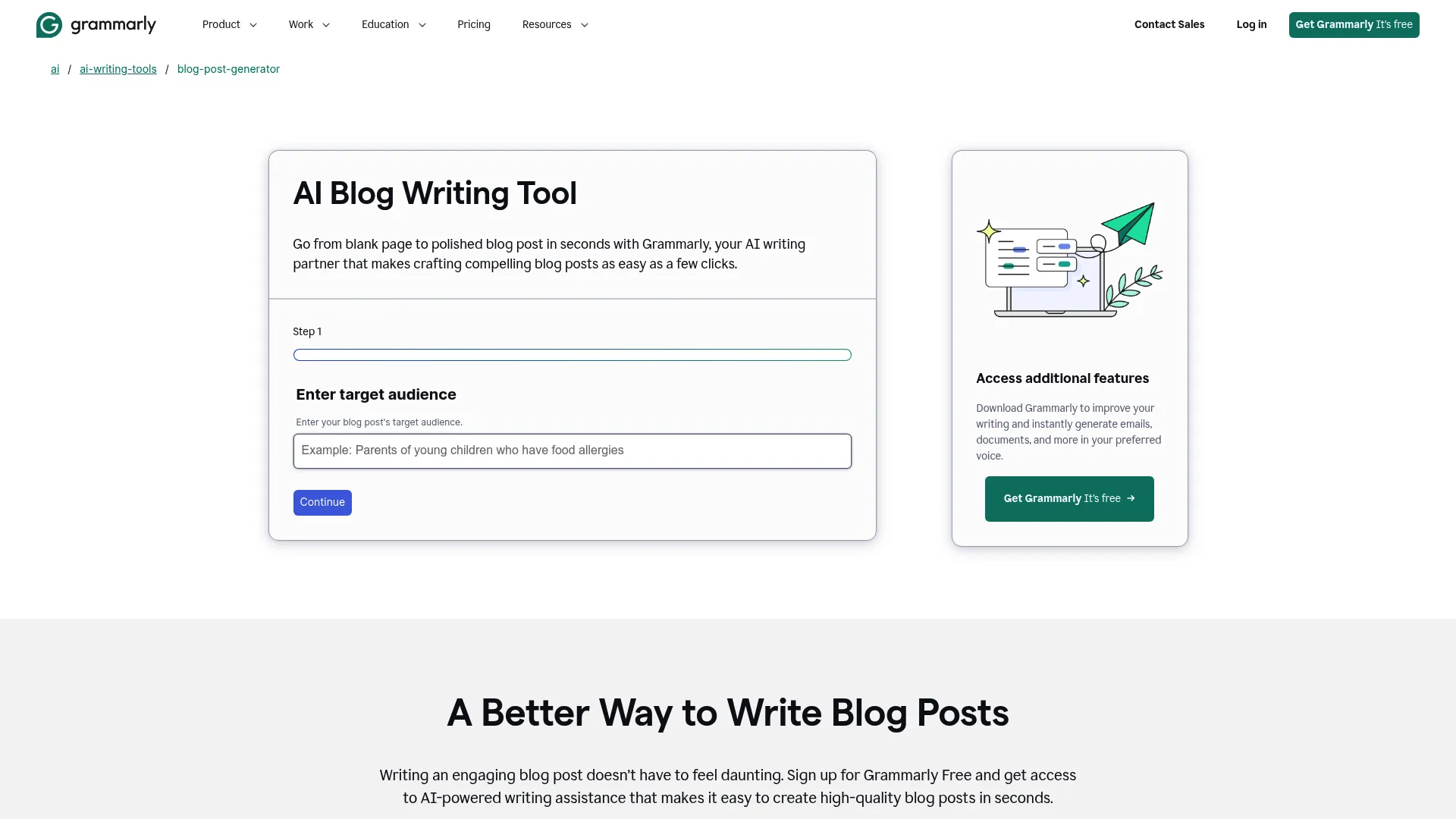
If you’ve used something like AI Blog Writing Tool, you’ve seen the “writing assistance” side of the world. The platform category is about what happens before and after that writing moment.
Common misconceptions that cause costly tool swaps
The biggest misconception is thinking “we already have a CMS, so we don’t need publishing features.” But if your AI tool can’t connect to your publishing process, you still pay with manual labor: copy/paste errors, broken headings, missing meta tags, inconsistent internal linking, and forgotten updates.
Another misconception is assuming all AI outputs are basically the same. They’re not. Some tools optimize for speed, others for control, and others for collaboration. Switching later is costly because you’ll have content stuck in old systems, inconsistent templates, and multiple “sources of truth” for style and SEO rules.
The Non-Negotiable Features That Make It Worth Switching
Not every tool deserves a migration. Switching platforms is annoying, and nobody wants to retrain the team twice. So if you’re considering an ai blog writing publishing platform, I’d focus on features that remove compounding friction—things that save time every single post, not just on day one.
Real publishing: CMS integrations, roles, drafts, and scheduling
“Publishing” can’t mean “export to HTML.” Real publishing means drafts, revision history, scheduling, and ideally roles (writer/editor/admin) so approvals don’t live in Slack threads. If the platform supports custom domains, categories/tags, and clean URLs, you’re much closer to a true AI content writing and publishing system.
This is where an ai blog writing publishing platform earns its keep: you stop redoing the same setup steps every time you post. You also avoid accidental changes—like someone editing the wrong version or publishing without a final check.
SEO essentials: briefs, internal linking, schema, and metadata
SEO isn’t a plugin you slap on at the end; it’s baked into the structure of the post. The platform should help generate a brief that includes intent, subtopics, and competitor patterns, then guide you through metadata (title tag, meta description), headings, and internal link suggestions. Bonus points if it supports schema basics (like Article) without you touching code.
If you’re comparing options, skim lists like The 6 best AI blog writing, but don’t stop at “writes blog posts.” Look for the stuff that makes posts rank and stay maintained: linking, structure, and updates.
Brand control: style guides, tone rules, and banned claims
Speed is useless if every draft needs a full rewrite because it doesn’t sound like you. The best AI blogging platform options let you set tone rules, preferred vocabulary, formatting preferences, and even “banned claims” (like promising guaranteed results). That’s how you keep output consistent across writers and across months.
I’m also a big fan of guardrails that prevent the most common AI problems: vague statements, inflated marketing language, and unsupported superlatives. A good ai blog writing publishing platform should help you ship content you’re proud to put your name on—not just content that fills a calendar.
How to Choose the Right Platform for Your Team Size and Goals

Choosing an ai blog writing publishing platform isn’t just about “best features.” It’s about fit: how many people touch your content, how often you publish, and whether you need governance or just speed. I like to think of it like buying a car—there’s no point paying for a seven-seater if you’re commuting solo, and you also don’t want a tiny hatchback if you’re hauling gear every day.
Solo creators: speed, templates, and simple approvals
If you’re a solo creator, you want momentum. That means fast topic-to-draft, light SEO guidance, and a publishing flow that doesn’t feel like project management. Simple approvals might just be a personal checklist, but having drafts, scheduling, and analytics in one place still matters because it protects your consistency.
For solos, the best publish blog with AI experience usually comes from fewer knobs and fewer settings. You want the platform to “just get it” from your instructions, then let you tweak quickly and ship.
Marketing teams: collaboration, permissions, and audit trails
Teams need collaboration features: comments, version history, role-based permissions, and clear ownership. Without that, you’ll end up with content decisions scattered across email threads and Slack messages, which is where clarity goes to die. A strong ai blog writing publishing platform should make it obvious who changed what, and when.
Marketing teams also benefit from built-in consistency tools—like shared style rules and reusable SEO briefs—so the output doesn’t swing wildly based on who wrote the first draft that day.
Agencies: multi-client workspaces, governance, and reporting
Agencies need separation and reporting. Multi-client workspaces, domain separation, and brand-level rules prevent “oops, wrong client” mistakes that can actually damage trust. You also want governance: locked templates, controlled publishing access, and clear workflows for approvals.
Reporting is the other big one. Agencies live and die by proof, so an ai blog writing publishing platform should make it easy to show what shipped, what performed, and what you’re updating next—without manually building decks from scratch every month.
A Practical Workflow: From Topic Idea to Published Post in 60 Minutes

If you’ve never timed your process, do it once. It’s humbling—in a good way—because you’ll see exactly where your workflow breaks. A solid ai blog writing publishing platform can realistically take you from idea to published post in about an hour for many topics, assuming you’re not doing original research or heavy interviews.
Turn a keyword into a brief that prevents fluff
The fastest way to get fluff is to start with “write me a blog post about X” and hope the model reads your mind. Instead, turn the keyword into a brief: who the reader is, what problem they’re solving, and what a “good outcome” looks like. I also like to include 3–5 must-cover subtopics so the draft doesn’t wander.
When your AI SEO blog writer starts from a brief, you get structure. You’ll still edit, but you’ll be editing a clear argument—not carving meaning out of generic paragraphs.
Drafting with guardrails: outlines, examples, and citations
Drafting goes faster when the platform generates (or helps you shape) an outline first. Then you can spot missing sections, reorder ideas, and add your own examples before the full draft is generated. I’ve found that adding one personal anecdote or real workflow detail per section instantly makes the output feel more human.
Citations matter too. Even if you’re not writing an academic paper, you want a habit of attaching sources to claims, especially stats. A good ai blog writing publishing platform should make it easy to track sources and avoid the “sounds true but isn’t” problem.
Final pass: formatting, media, and publish checklist
The last 15 minutes are where shipping either happens or stalls. You want a simple checklist: headings are clean, paragraphs are short, key terms are used naturally, and internal links exist where they help. Media should be sized correctly, have descriptive alt text, and support the point (not just decorate the page).
If the platform includes a clean visual editor and publishing tools—like scheduling and email notifications—you cut the biggest time sink: moving content between systems. That’s the difference between “we wrote it” and “it’s live and getting impressions.”
Quality Control: How to Avoid Hallucinations, Repetition, and Thin Content
AI is fast, but it’s not accountable. That’s why quality control is the price of admission for AI content writing and publishing. The goal isn’t perfection; it’s reliability. You want a workflow that catches the common failures before they hit your site and quietly erode trust.
Verification habits: sources, quotes, stats, and screenshots
If a post includes numbers, claims about competitors, or references to “studies,” verify them. I like a simple rule: if it could change someone’s decision, it needs a source you can click. Screenshots can also be surprisingly powerful—product UIs, example analytics, or step-by-step settings pages make content feel grounded.
A good ai blog writing publishing platform should support this habit by letting you store links, add notes, and keep research attached to the draft. Otherwise, verification becomes a scavenger hunt across browser tabs.
Editing for humans: specificity, experience, and useful visuals
Thin content usually isn’t “short,” it’s vague. Fix it by adding specifics: exact steps, real trade-offs, and examples that show you’ve done the work. Even one paragraph that starts with “Here’s what I’d do if I were starting today…” can transform a generic section into something worth saving.
Useful visuals matter too. Tables, checklists, and simple diagrams turn concepts into actions. The best ai blog writing publishing platform workflows make it easy to insert and manage these without breaking formatting every time.
When to rewrite instead of “regenerate”
Regenerating is tempting because it feels effortless, but it can turn into a slot machine: pull the lever, hope for a better paragraph, repeat. If the structure is wrong, regenerate won’t fix it—you’ll just get different wrong. When a section is fundamentally off, rewrite the outline or add constraints, then draft again with clearer guidance.
I treat regeneration like a spice, not the meal. The fastest path to quality is usually: adjust the brief, tighten the outline, and edit with intent. That’s how an ai blog writing publishing platform becomes a partner, not a roulette wheel.
SEO Without the Spam: Optimizing Posts the Way Google Actually Rewards
SEO has a bad reputation because people associate it with awkward keywords and endless internal links that feel like a maze. But modern SEO is mostly about being the best answer for a specific query, then proving your site is trustworthy over time. A solid ai blog writing publishing platform should help you do that without turning your blog into a spam factory.
Search intent mapping: informational vs commercial vs navigational
Before you optimize anything, identify intent. Informational posts teach; commercial posts help readers compare options; navigational posts help people find a specific brand or page. When intent is wrong, you can have a perfectly “optimized” article that never satisfies the query—and it won’t stick in the rankings.
In practice, intent mapping means matching your outline to what the searcher wants next. That’s where an AI SEO blog writer can help, especially if it analyzes competitor structure and common subtopics without copying them.
Internal linking systems that compound traffic
Internal linking is one of the most underused advantages small sites have. You control it completely, and it doesn’t require begging for backlinks. The trick is using a system: link from new posts to your core pages, and from core pages back out to supporting guides. Over time, that creates clusters that help Google understand what you’re “about.”
A strong ai blog writing publishing platform should make internal linking feel natural—suggesting relevant pages, keeping anchor text varied, and helping you avoid orphan posts. Done right, internal links compound traffic because every new post strengthens older ones.
E-E-A-T signals you can build into the platform workflow
E-E-A-T (Experience, Expertise, Authoritativeness, Trust) isn’t a checkbox, but you can build signals into your workflow. Add author bios, cite sources, include real examples, and keep content updated. Even small touches—like “last updated” dates and clear editorial standards—send quality signals.
This is where an AI blogging platform can be more than a writer. If the platform supports consistent author pages, structured metadata, and easy updating, it helps you build trust at scale—without adding hours of admin work per post.
Publishing and Distribution: Turn One Post Into a Week of Content
Publishing is not the finish line—it’s the starting gun. The brands that grow fastest treat every blog post like a content “seed” that gets repurposed into multiple formats. A true ai blog writing publishing platform should make distribution a built-in habit, not an afterthought you skip when you’re busy.
Automatic repurposing: email, LinkedIn, X, and snippets
One blog post can become a short email newsletter, a LinkedIn post, a thread on X, and a handful of snippets for your site or product onboarding. The key is not copying and pasting the same text everywhere; it’s adapting the angle. Email can be more personal, LinkedIn can be more opinionated, and X can be more punchy.
If your AI content writing and publishing workflow supports this repurposing, you stop relying on “extra time” to promote posts. Promotion becomes part of shipping—just like adding a meta description.
Scheduling and UTM discipline for measurable growth
Scheduling is what makes consistency possible when life gets chaotic. It also helps teams batch work: write on Monday, edit Tuesday, schedule the rest of the week. When you pair scheduling with UTM parameters, you can actually measure what distribution channels drive clicks and conversions instead of guessing.
I recommend keeping UTMs boring and consistent. A good ai blog writing publishing platform can support this with saved presets or simple workflows that prevent messy tracking links from multiplying.
Content updates: refresh cycles and evergreen maintenance
Evergreen content still needs maintenance. Stats change, screenshots get outdated, and product features evolve. A refresh cycle—like reviewing your top 10 posts every quarter—often produces faster gains than publishing brand-new articles, because you’re improving pages that already have impressions.
This is where integrated analytics matters. When your ai blog writing publishing platform shows which posts are slipping, you can refresh intelligently: update headings, expand sections, add internal links, and republish. It’s less glamorous than “new content,” but it’s how you build durable traffic.
Compliance, Copyright, and Brand Risk: The Stuff You Can’t Ignore
AI makes publishing faster, which is great—until you publish something that creates legal or brand risk. This is the part most people skip because it feels “enterprise-y,” but even small teams need basic guardrails. If you’re choosing an ai blog writing publishing platform, think about how it helps you prevent avoidable mistakes, not just how it helps you write more.
Disclosure norms and AI policy considerations
Different industries and regions have different expectations about disclosure, and those expectations are evolving. You don’t always need a big “AI wrote this” banner, but you do need internal clarity: who is accountable for accuracy, what your editorial standards are, and what you will/won’t publish.
I’ve found it helps to write a simple internal policy: AI can assist with drafting and outlining, but humans verify claims and approve final publishing. The best ai blog writing publishing platform workflows make that approval step explicit instead of implied.
Copyright basics for images, excerpts, and training data concerns
Copyright issues come up most often with images and long excerpts. Use properly licensed images, create your own visuals, or use a trusted library—and keep track of where assets came from. If you quote someone, keep it short, attribute clearly, and link to the original source.
Training data concerns are more complex, but from a practical standpoint, you want a platform that doesn’t encourage copying competitor text and that supports originality checks. If your AI blogging platform helps you create unique structure and examples, you’re already reducing risk.
Guardrails for regulated industries and medical/finance claims
If you’re in healthcare, finance, legal, or anything regulated, you need stricter guardrails. Avoid definitive medical claims, avoid guaranteeing outcomes, and be careful with advice that could be interpreted as professional guidance. Add review steps with qualified reviewers when needed, and document approvals.
Even if you’re not regulated, brand risk is real. One overconfident AI paragraph can undermine trust you’ve built for years. A good ai blog writing publishing platform should support “banned claims,” required disclaimers, and consistent tone rules so you don’t ship something that sounds too good to be true.
Pricing Reality Check: What You’ll Pay (and What You’re Really Buying)
Pricing for an ai blog writing publishing platform can look simple until you read the fine print. The sticker price might be “$X per month,” but the real cost includes seats, word limits, integrations, and the time you spend managing the tool. The goal is to pay for outcomes: more high-quality posts published with less effort.
Seats, word credits, and hidden costs like integrations
Most platforms price by seats (how many users) and usage (word credits or “AI runs”). Watch for features that are technically available but require a higher plan—like custom domains, scheduling, or analytics. Also factor in integrations: if you need Zapier, a CMS connector, or an email tool, those can quietly add another $20–$200/month.
If you’re aiming to publish blog with AI consistently, you want pricing that supports steady volume without making you ration words. Rationing is where content quality drops because people start cutting corners.
ROI math: cost per published post and time saved
The cleanest ROI metric is cost per published post. Take your monthly platform cost and divide it by how many posts you actually ship (not drafts). Then estimate time saved: if you save 2 hours per post and publish 12 posts/month, that’s 24 hours back—basically three full workdays.
This is why teams switch to an ai blog writing publishing platform: the value isn’t that AI can write, it’s that your system can ship. Shipping is what creates traffic, leads, and compounding returns.
Red flags: paywalls around exports, analytics, or ownership
Be cautious if exports are locked behind expensive tiers or if you can’t easily move your content. You should own what you publish, and you should be able to back it up. Another red flag is analytics paywalls—if you can’t see performance, you can’t improve, and then you’re just producing content blindly.
Finally, watch for platforms that make publishing easy but updating hard. Content is an asset you’ll maintain for years. Your ai blog writing publishing platform should support that full lifecycle, not just the first publish.
What People Often Wonder About AI Blog Writing Publishing Platforms
When someone is considering an ai blog writing publishing platform, the questions are usually less about “can it write?” and more about “can I trust it, and will it actually move the needle?” These are the big three I hear most often, and the answers are refreshingly practical.
Can AI-written posts rank without penalties?
Yes—posts can rank if they’re genuinely helpful, match search intent, and aren’t thin or deceptive. Google’s systems reward quality and usefulness, not whether you typed every word manually. The bigger risk is publishing low-value content at scale, because that’s what tends to fail over time.
An AI SEO blog writer helps with structure and speed, but ranking usually comes from editing, originality, and consistency. If the platform supports those, you’re in a good place.
Do I still need an editor and fact-checking?
Most teams still need editing and fact-checking, but the workload changes. Instead of line-editing every sentence from scratch, you’re editing for clarity, adding examples, and verifying claims. Think of AI as the fast first draft plus a structured assistant—not as your final voice.
A good ai blog writing publishing platform makes editing easier with clean formatting, version history, and checklists. That’s what keeps quality high even when you increase output.
Which metrics prove the platform is working?
Start with production metrics: drafts created, posts published, and time-to-publish. Then move to performance: impressions, clicks, average position, and conversions (email signups, trial starts, demo requests). I also like “content half-life” metrics—how many posts still get traffic after 90 days.
If your AI blogging platform is working, you’ll see both: more shipping and improving outcomes per post. If you only see more volume, you may be scaling the wrong kind of content.
Your Next 7 Days: A Simple Plan to Implement, Publish, and Improve
New platforms feel overwhelming when you try to do everything at once. I prefer a one-week plan because it forces focus: set the rules, ship a few posts, learn, then iterate. If you’re adopting an ai blog writing publishing platform like blogie.ai, this is a practical way to see results fast without creating chaos.
Day 1–2: set goals, templates, and brand rules
Pick one measurable goal for the first month: publish 8 posts, refresh 5 existing posts, or build one keyword cluster. Then set your brand rules: tone (friendly, direct), banned claims (no guarantees), and formatting preferences (short paragraphs, tables when comparing). This is the unsexy step that makes AI output feel like you.
Also decide what “done” means. A platform can help with content workflow automation, but you still need a definition of ready-to-publish: verified stats, at least 3 internal links, a clear CTA, and metadata filled in.
Day 3–5: ship your first 3 posts with a QA checklist
Ship three posts quickly, even if they’re not perfect. The point is to stress-test the workflow: topic selection, briefing, drafting, editing, formatting, and publishing. Use a QA checklist every time so quality doesn’t depend on mood or memory.
While you’re at it, build one small internal link cluster: one “pillar” post and two supporting posts that link to it and to each other. This is how an ai blog writing publishing platform starts compounding results instead of producing isolated articles.
Day 6–7: measure, refresh, and build your content backlog
By day six, you should already have early signals: Search Console impressions, social clicks, or email opens. Pick one post to improve immediately—tighten the intro, add a missing section, insert a table, or improve internal links. Small improvements, done consistently, beat big rewrites you never finish.
Finally, build a backlog of 20 topic briefs. Not full drafts—just briefs with intent, angle, and subtopics. That backlog is your publishing insurance policy. With a reliable ai blog writing publishing platform and a clear backlog, it becomes normal to publish blog with AI weekly (or even more often) without feeling like you’re constantly starting from zero.
If you want the simplest way to test whether an all-in-one workflow fits you, start by creating a single post end-to-end inside blogie.ai—from keyword idea to published page. The moment you can ship without copying, pasting, and reformatting across tools is usually the moment you realize how much time you were losing.
This article was created using Blogie.
This article was created using Blogie.